
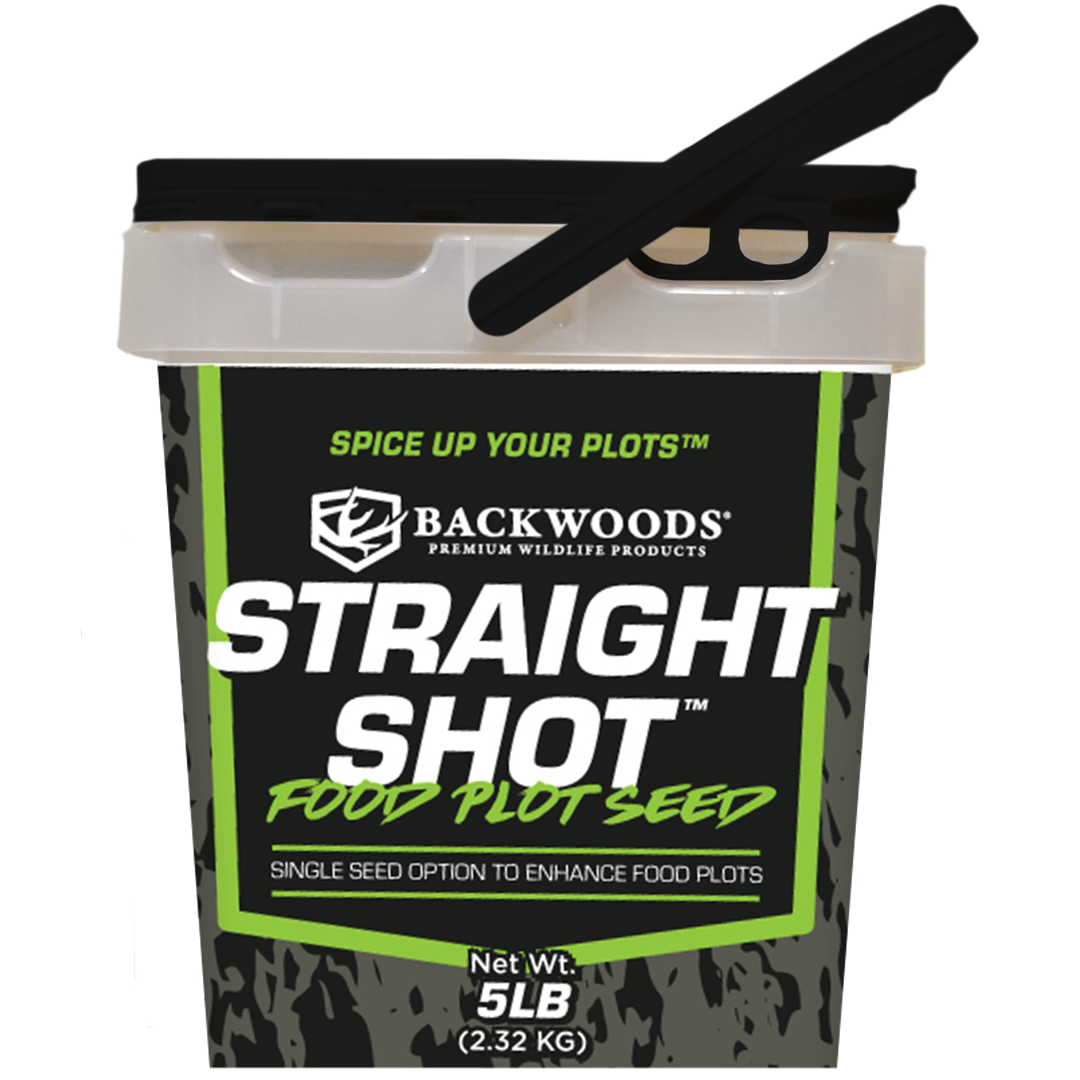
STRAIGHT SHOT™ BUCKSHOT™ ALFALFA
PREMIUM PROTEIN. SEASON AFTER SEASON.™
Buckshot™ Alfalfa delivers highly nutritious, protein-rich perennial forage built for serious deer managers. Plant it straight, add it to perennial plots, or use it to build your own high-performance blend for dependable nutrition and long-term production.
PERFECT FOR:
• Long-term perennial food plots
• High-protein deer nutrition
• Spring & summer forage production
• Deep-rooted, drought-tolerant plots
• Enhancing perennial clover plots
✓ High-Protein Perennial Forage
✓ Multi-Year Production
✓ Deep-Rooted & Drought Tolerant
✓ Excellent Regrowth After Browsing
✓ Proven At The Testing Grounds™

Couldn't load pickup availability
Find STRAIGHT SHOT™ BUCKSHOT™ ALFALFA Near You
Enter your location to see the closest dealers currently carrying Backwoods STRAIGHT SHOT™ BUCKSHOT™ ALFALFA

STRAIGHT SHOT™ BUCKSHOT™ ALFALFA
SIX REASONS HUNTERS PLANT STRAIGHT SHOT™ BUCKSHOT™ ALFALFA
BUILT TO FEED DEER FOR THE LONG HAUL.

High-protein Forage
Produces nutrient-dense forage capable of delivering exceptional nutritional value during critical periods of antler development, lactation, body recovery, and growth.

Multi-year Production
Unlike annual food plot species, properly established and managed alfalfa can remain productive for multiple growing seasons.

Deep-rooted Performance
A powerful taproot allows established alfalfa to reach moisture deeper in the soil profile and remain productive through periods of moderate drought stress.

Excellent Regrowth
Buckshot™ Alfalfa responds to browsing and mowing by producing fresh vegetative growth when growing conditions and plant health remain favorable.

Spring & Summer Nutrition
Pairs naturally with rape, radishes, cereal grains, clovers, and other cool-season food plot species.

Build Your Own Perennial
Plant it straight or combine it with compatible clovers and chicory to create a diverse, long-lasting perennial food plot.
IS STRAIGHT SHOT™ BUCKSHOT™ ALFALFA THE RIGHT CHOICE?
What To Expect
ESTABLISH IT RIGHT.
FEED DEER FOR YEARS.
7-14 Days
Germination & Emergence
With adequate moisture and proper shallow planting depth, seedlings begin emerging and establishing their
root systems.
30 Days
Stand Development
Plants develop additional leaves and roots as the young stand begins building the foundation required for long-term production.
60 Days
Strong Forage Growth
Established plants begin producing substantially more vegetative forage while continuing to develop their characteristic deep root systems.
Year 2+
Perennial Production
With proper fertility, pH, drainage, weed control, and management, established alfalfa can provide repeated forage production across multiple growing seasons.
WHAT'S INSIDE STRAIGHT SHOT™ BUCKSHOT™ ALFALFA
One Species. One Purpose.

A deep-rooted perennial legume valued for exceptional forage quality, strong regrowth, drought tolerance, and multi-year production. Buckshot™ provides serious deer managers with a premium option for building high-nutrition perennial food plots.
Dial It In™
Success Starts With Timing
Where & When To Plant
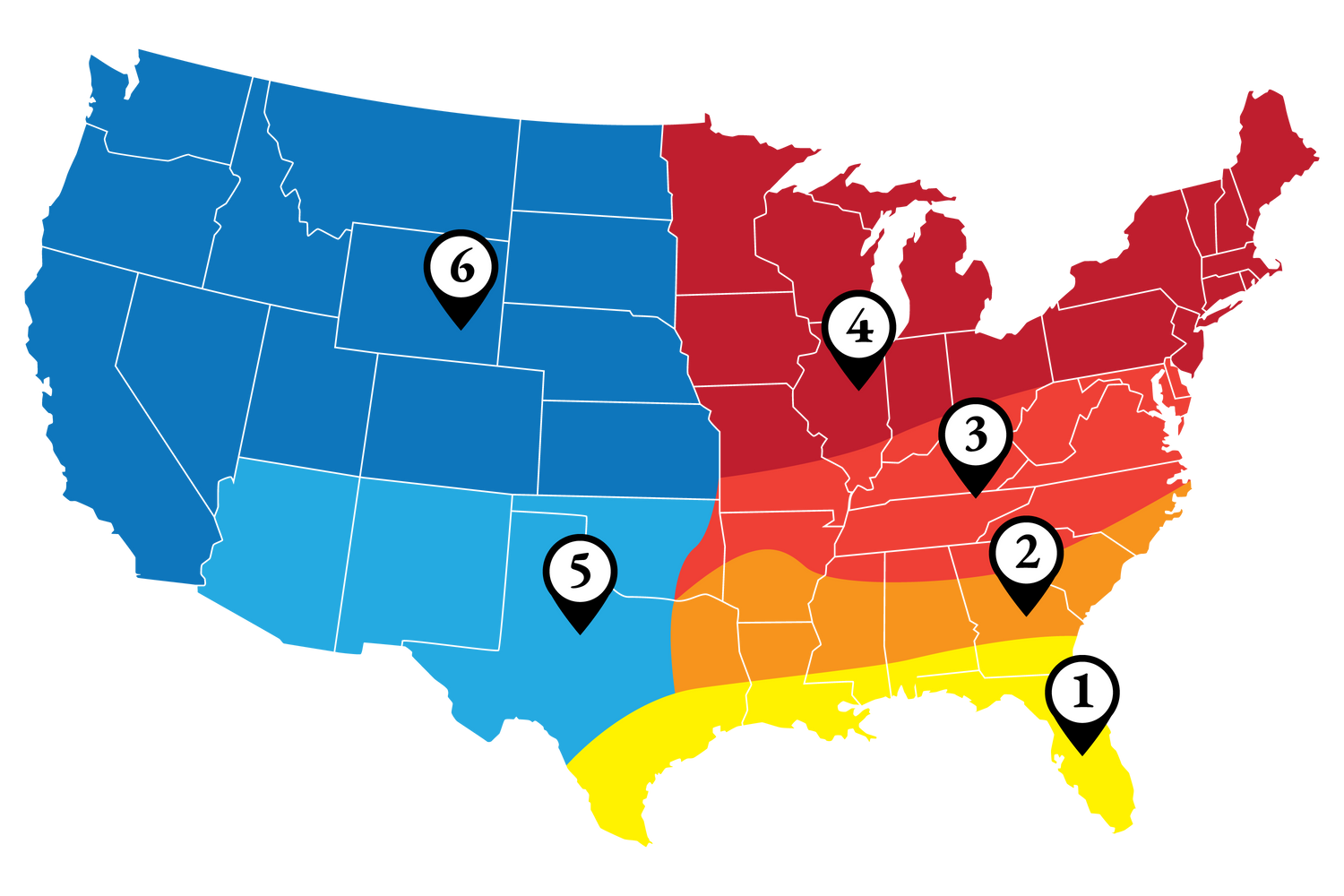
Zone 1: September - October, February - March
Zone 2: September - October, February - April
Zone 3: August - September, March - April
Zone 4: August - September, March - May
Zone 5: Late July - August, April - May
Zone 6: July - Early August, May - June
PLANTING RULE
• Plant 45–60 days before your average first frost in the fall.
• In the spring, plant once soils are workable and support germination, while allowing enough time to establish before severe summer heat.
• Plant just ahead of a soaking rainfall
Planting windows are general guidelines and may vary by local elevation, climate, and seasonal weather conditions.
Planting At A Glance

Coverage
Up To 1/4 Acre

Planting Depth
1/4" - 1/2"

Planting Method
Broadcast or Drill

Sunlight
Full Sun

Soil Ph
6.5 - 7.0

Moisture
Moderate/Well-drained
Common Mistakes
✗ Planting too deep
✗ Skipping soil test
✗ Planting into acidic soil
✗ Choosing poorly drained ground
✗ Applying excessive nitrogen
✗ Allowing weeds to overwhelm young seedlings
✗ Expecting maximum production without long-term fertility management
View Full Planting Instructions
PREPARATION
Start with a clean, weed-free planting area by spraying or tilling existing vegetation. Prepare a firm, smooth seedbed that provides excellent seed-to-soil contact. Alfalfa seed is small and should not be buried deeply.
SOIL TEST & FERTILITY
Conduct a soil test before planting whenever possible. Alfalfa performs best in fertile, well-drained soils with a soil pH of approximately 6.5–7.0. Correct low pH before establishment and apply phosphorus, potassium, sulfur, boron, and other nutrients according to
soil-test recommendations.
Avoid relying on heavy nitrogen applications. Properly nodulated alfalfa is a legume capable of fixing atmospheric nitrogen.
PLANTING RATE
Broadcast (Prepared Seedbed): 20 lbs/acre
Broadcast (No-Till): 25 lbs/acre
Drill: 15 lbs/acre
When Used In Blends: Reduce the rate according to companion species
and desired alfalfa percentage.
PLANTING DEPTH
Plant approximately ¼–½ inch deep. On prepared seedbeds, broadcast onto firm soil and cultipack before and/or after planting to achieve excellent seed-to-soil contact without burying the seed.
TIMING
Plant during the recommended spring or late-summer/fall window for your region. For fall establishment, provide approximately 6–8 weeks of growth before the average first killing freeze. Spring plantings should establish before severe summer heat and drought.
MOISTURE
Plant into adequate soil moisture or immediately before dependable rainfall. Maintain adequate moisture during germination and early establishment, but avoid poorly drained locations where prolonged saturated conditions can damage alfalfa.
MANAGEMENT
Control weeds aggressively during establishment. Once mature, mowing can help manage weeds and stimulate fresh vegetative growth, but avoid repeatedly mowing or browsing the stand so aggressively that plants cannot replenish root reserves.
Allowing periods of recovery is important for maintaining stand persistence.
ADJUSTING FOR PLS & GERMINATION
Recommended planting rates assume 100% Pure Live Seed (PLS) and 100% germination. Actual seed quality varies by lot. To determine an adjusted planting rate, divide the recommended seeding rate by the PLS percentage multiplied by the germination percentage, both expressed as decimals. Adjusting for PLS and germination ensures proper stand density and maximum forage production.
Build Your Complete Hunting Program
Step 1: Build Fertility

Step 2: Plant STRAIGHT SHOT™ BUCKSHOT™ ALFALFA

Step 3: Increase Diversity

Step 4: Supplement Your Herd

Step 5: Increase Mineral Intake

Step 6: Reliable Feed Delivery

Step 7: Spring Overseed


EVERY PRODUCT MUST EARN THE BACKWOODS® NAME.
Nothing earns the Backwoods® name until it proves itself in the field.
Every Backwoods® food plot, attractant, mineral, supplement, and feeder is developed and evaluated under real hunting conditions—not just test plots or research stations.
If it doesn't perform for us, it never reaches your property.
We don't build products to sell. We build products we trust enough to use ourselves.
Tested by hunters. Proven by deer.
At The Testing Grounds™
• Hundreds of acres evaluated
• Year-round field testing
• Real hunting pressure
• Properties in multiple regions
• Trail camera monitored
• Product performance documented
NOT SURE WHICH PLOT IS RIGHT FOR YOU?
Best For: Maximum perennial protein & nutrition
Best For: Long-term clover production
Best For: Drought-tolerant perennial forage
Best For: Durable, diverse perennial forage
Real Plots. Real Deer. Real Results.
PROVEN IN THE REAL WORLD
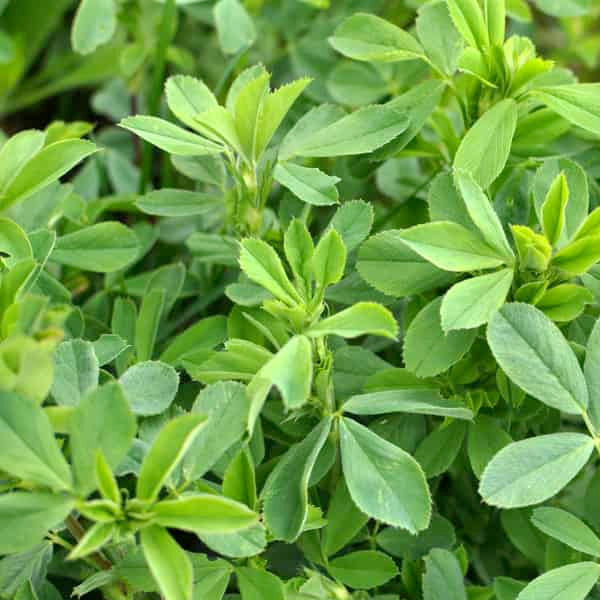
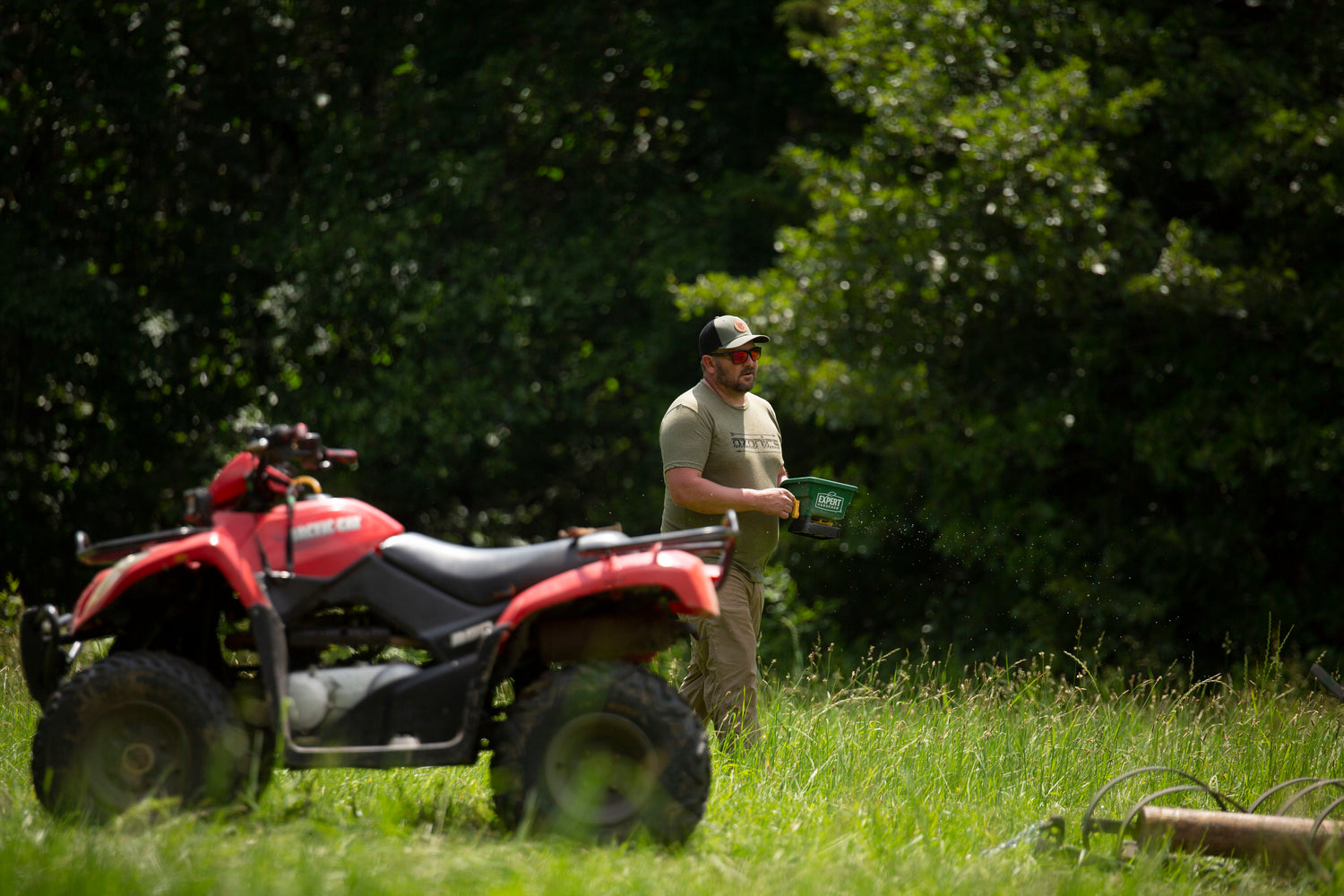
Every photo on this page comes from real Backwoods® food plots planted and evaluated at The Testing Grounds™ and on customer properties across the country. No stock photography. No staged results. Just real-world performance.
Know Before You Grow
What is Straight Shot™ Buckshot™ Alfalfa?
Straight Shot™ Buckshot™ Alfalfa is a premium single-species alfalfa designed for hunters who want to establish a dedicated
alfalfa plot, enhance an existing perennial plot, or build their own high-protein food plot blend.
Why plant alfalfa for deer?
Alfalfa produces highly nutritious, highly palatable forage and is especially valuable during spring and summer when bucks are growing antlers, does are lactating, and deer have elevated nutritional demands.
Is Buckshot™ Alfalfa an annual or perennial?
Buckshot™ Alfalfa is a perennial legume. With proper establishment, fertility, drainage, and management, a healthy alfalfa stand can remain productive for multiple growing seasons.
When should I plant Buckshot™ Alfalfa?
Buckshot™ Alfalfa can be planted in spring or late summer/early fall. For fall establishment, target approximately 6–8 weeks before your area's average first killing freeze. Spring plantings should be
established early enough to develop a strong root system before severe summer
heat and drought.
How deep should I plant Buckshot™Alfalfa?
Plant approximately ¼–½ inch deep. Alfalfa seed is small, and planting too deep is one of the most common causes of poor establishment. A firm seedbed with excellent seed-to-soil contact is critical.
Can I plant Buckshot™ Alfalfa by itself?
Yes. It can be planted as a pure
alfalfa stand when maximum alfalfa production is the goal. It can also be
incorporated into compatible perennial blends.
Can I add Buckshot™ Alfalfa to an existing food plot?
Yes, particularly when establishing or renovating a perennial plot. For best results, reduce competition from existing vegetation
and ensure the alfalfa seed reaches the soil. Simply broadcasting seed over a
thick, established canopy will generally produce inconsistent results.
What should I mix with Buckshot™ Alfalfa?
Buckshot™ Alfalfa pairs especially well with ladino clover, other perennial clovers, and chicory. These species can create a diverse
perennial plot with complementary growth characteristics, forage production,
and stress tolerance.
How much protein does alfalfa provide?
Alfalfa is widely recognized as a high-protein forage, but crude protein varies considerably with plant maturity, growing conditions, fertility, and plant portion. Rather than advertising a fixed percentage,
Buckshot™ should be positioned as premium high-protein perennial forage unless
Backwoods has forage-test data supporting a specific claim.
Does Buckshot™ Alfalfa fix nitrogen?
Yes. Alfalfa is a legume and can fix atmospheric nitrogen when its roots are properly nodulated by compatible Rhizobium bacteria. Proper inoculation is important when compatible bacteria aren't already established in the soil.
Does Buckshot™ Alfalfa need fertilizer?
Yes, but established alfalfa generally does not require the same nitrogen-heavy fertility program as cereal grains or brassicas.
Phosphorus, potassium, sulfur, boron, soil pH, and other nutrients can be important to productivity and stand longevity. Follow a soil test whenever possible.
Does soil pH really matter with alfalfa?
Absolutely. Alfalfa is less forgiving of acidic soils than many common food plot species. For best performance, target approximately
6.5–7.0 pH and correct acidic soil before planting whenever possible.
Can I plant Buckshot™ Aflalfa in poorly drained ground?
Alfalfa performs best on well-drained soils. Sites that remain saturated or routinely hold standing water are poor choices for an
alfalfa plot. If drainage is a major limitation, another food plot species will usually be a better option.
Is Buckshot™ Alfalfa drought tolerant?
Once established, alfalfa develops a substantial taproot that can access moisture deeper in the soil profile, giving it very good
drought tolerance compared with many shallow-rooted forage species. Young
seedlings still require adequate moisture during establishment.
How does Buckshot™ Alfalfa handle heavy browsing?
Established alfalfa has excellent regrowth potential, but even productive plants need recovery time. Extremely heavy, continuous browsing can weaken plants and reduce stand persistence, especially on small plots with high deer densities.
Should I mow an alfalfa food plot?
Mowing can help manage weeds and stimulate fresh vegetative growth, but it should be done strategically. Avoid repeatedly mowing extremely short or removing growth before plants have had adequate time to replenish root reserves.
How long will a Buckshot™ Alfalfa plot last?
There isn't a guaranteed number of years. Stand longevity depends heavily on soil pH, fertility, drainage, disease pressure, weeds,
weather, browsing intensity, and management. Properly managed alfalfa is
capable of providing multi-year production.
Can I frost-seed Buckshot™ Alfalfa?
Alfalfa can sometimes establish through frost seeding under appropriate conditions, but results are less predictable than with species commonly used for frost seeding, such as certain clovers. For a new Buckshot™ stand, a properly prepared seedbed and controlled planting depth are the preferred approach.
Can I overseed Buckshot™ Alfalfa into an old alfalfa stand?
Generally, don't use alfalfa to thicken an established mature alfalfa stand. Older alfalfa plants can release compounds that inhibit the establishment of new alfalfa seedlings, a phenomenon known as autotoxicity. Renovating with compatible species or properly rotating before re-establishing alfalfa is usually the better strategy.
Is Buckshot™ Alfalfa harder to grow than clover?
It can be. Alfalfa generally demands better drainage, higher soil pH, stronger fertility management, and more attention to
establishment than many common clovers. When those requirements are met, however, it can produce exceptional perennial forage.
What's the difference between Buckshot™ Alfalfa and Alfalfa + Clover™?
Buckshot™ Alfalfa gives you straight alfalfa, allowing complete control over your planting rate and blend composition. Alfalfa +
Clover™ provides a pre-designed multi-species perennial blend for hunters who
want the benefits of alfalfa combined with complementary clovers.
Why buy Straight Shot™ Buckshot™ Alfalfa instead of a bulk bag of alfalfa?
Straight Shot™ gives hunters individual food plot species in practical food-plot quantities. It lets you plant a smaller dedicated plot,
customize an existing perennial plot, or build your own blend without purchasing a large agricultural-size bag.