
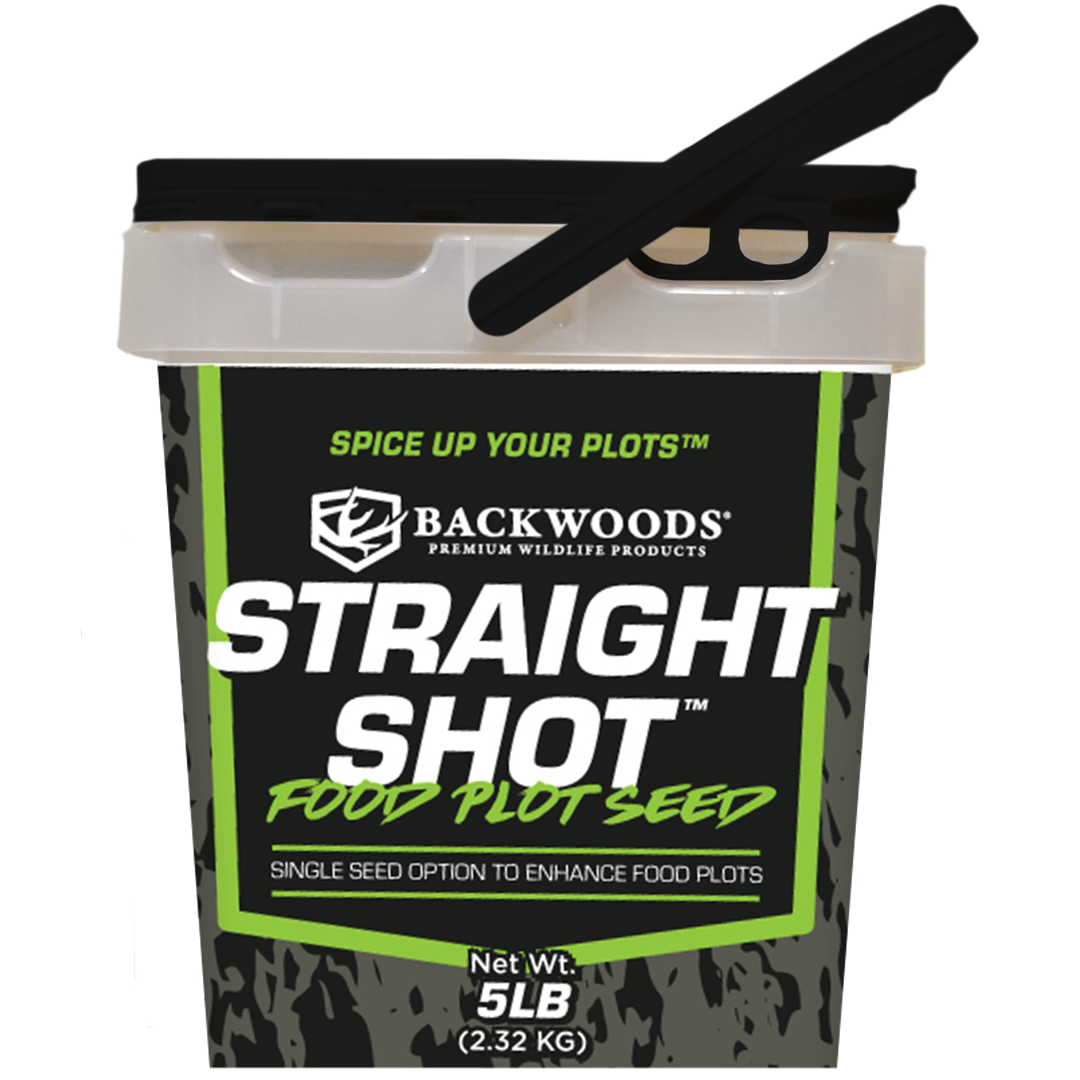
STRAIGHT SHOT™ BUCK™ RADISH
BIG FORAGE. DEEP ROOTS.™
Buck™ Radish delivers fast-growing, highly palatable leafy forage above ground and an aggressive taproot below. Plant it straight, overseed it into an existing food plot, or use it to add forage production, root diversity, and soil-conditioning power to your own custom blend.
PERFECT FOR:
• Fast-growing fall forage
• Deep-rooted food plots
• Compacted or heavy soils
• Building custom brassica blends
• Adding diversity to existing plots
• Fall & late-season attraction
✓ Rapid Fall Establishment
✓ High-Volume Leafy Forage
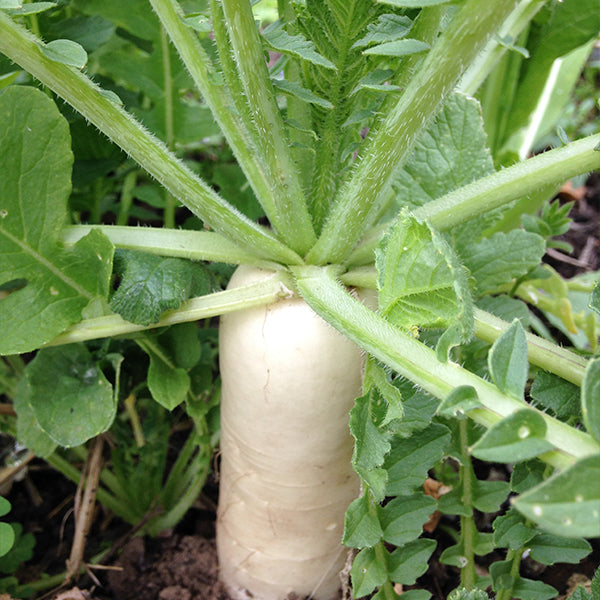
✓ Aggressive Deep Taproot
✓ Helps Break Up Compacted Soil
✓ Excellent Cool-Season Attraction
✓ Plant Straight Or Build Your Own Blend
✓ Proven At The Testing Grounds™

Couldn't load pickup availability
Find STRAIGHT SHOT™ BUCK™ RADISH Near You
Enter your location to see the closest dealers currently carrying Backwoods STRAIGHT SHOT™ BUCK™ RADISH

STRAIGHT SHOT™ BUCK™ RADISH
SIX REASONS HUNTERS PLANT STRAIGHT SHOT™ BUCK™ RADISH
BUILT TO FEED DEER FOR THE LONG HAUL.

Fast Growing Forage
Buck™ Radish establishes rapidly under favorable fall conditions and quickly begins producing highly palatable leafy forage.

Aggressive Taproot
Below the surface, Buck™ develops a large taproot capable of penetrating deeper into the soil profile than many traditional food plot species.

Helps Condition Compacted Soil
Its aggressive root growth can create channels through compacted soil, improving soil structure and leaving pathways for future crop roots, moisture, and air as roots decompose.
Handles Tough Ground
Buck™ isn't planted only for what's happening underground. It produces substantial above-ground foliage that adds another highly attractive forage source to fall plots.

Adds Root Diversity
Adding radish to plots dominated by cereal grains, clovers, or other brassicas introduces a different rooting depth and growth habit both above and below ground.

Build Your Own Blend
Plant Buck™ straight or combine it with turnips, rape, mustards, cereal grains, clovers, forage peas, and other Straight Shot™ species to build exactly the plot you want.
IS STRAIGHT SHOT™ BUCK™ RADISH THE RIGHT CHOICE?
What To Expect
ESTABLISH IT RIGHT.
FEED DEER FOR YEARS.
7-14 Days
Germination & Emergence
With adequate moisture and good seed-to-soil contact, seedlings begin emerging
rapidly and establishing.
30 Days
Rapid Leaf + Root Growth
Plants begin producing abundant leafy forage while taproots aggressively expand beneath the soil surface.
60 Days
Heavy Forage + Deep Roots
Established plants produce substantial above-ground forage while mature roots occupy deeper portions of the soil profile.
90+ Days
Cool-Season Performance
As temperatures fall, established Buck™ Radish continues providing valuable forage while developed roots contribute additional attraction and soil-conditioning benefits.
WHAT'S INSIDE STRAIGHT SHOT™ BUCK™ RADISH
One Species. One Purpose.

A fast-growing cool-season forage radish that produces abundant leafy vegetation above ground and an aggressive taproot below. Buck™ combines deer attraction, forage production, rooting depth, and soil-conditioning benefits in one hard-working species.
Dial It In™
Success Starts With Timing
Where & When To Plant
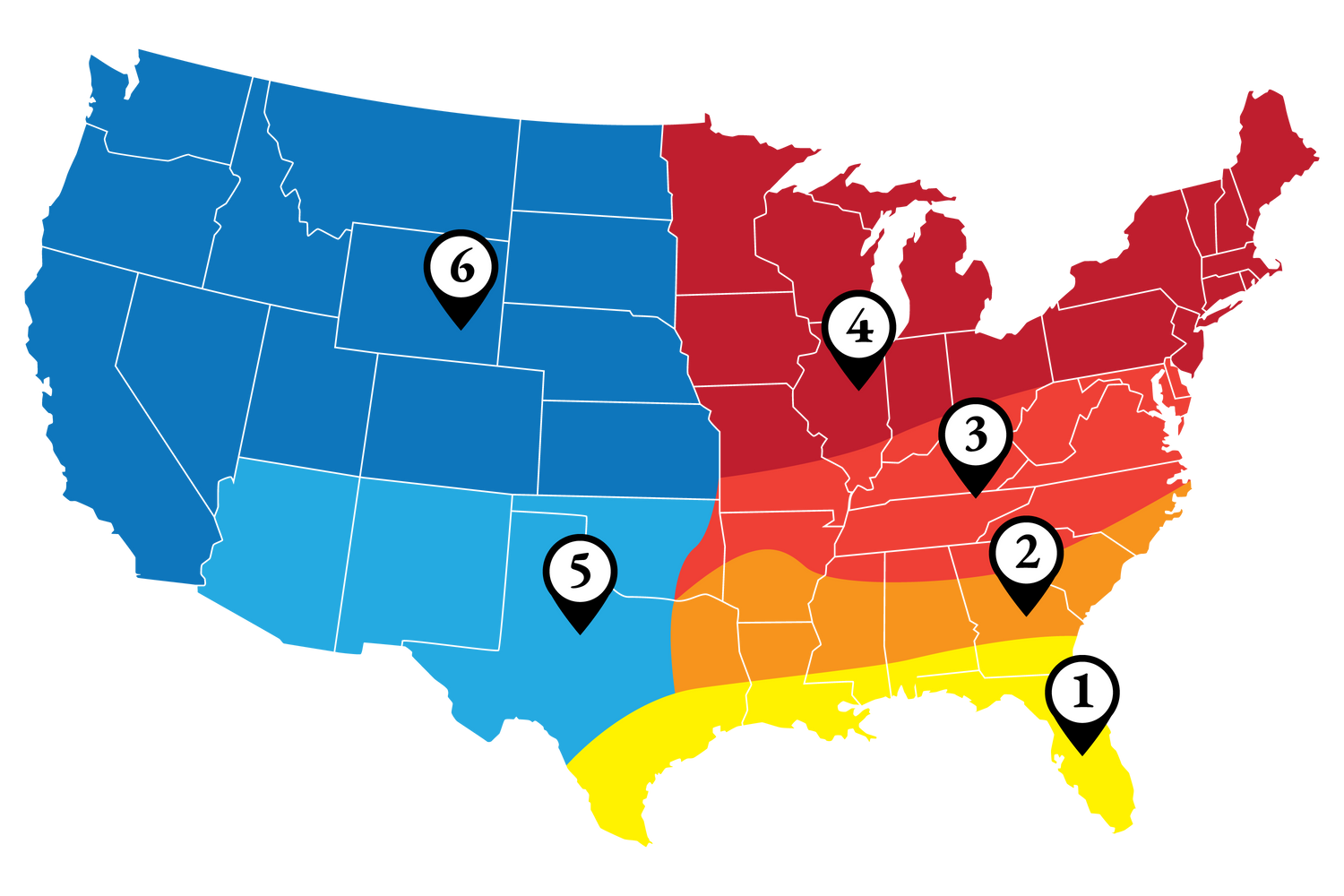
Zone 1: September - October
Zone 2: Late August - October
Zone 3: August - September
Zone 4: Late July - September
Zone 5: August - September
Zone 6: July - August
PLANTING RULE
• Plant 60-90 days before your average first frost in the fall.
• Do not plant too deep
• Plant just ahead of a soaking rainfall
Planting windows are general guidelines and may vary by local elevation, climate, and seasonal weather conditions.
Planting At A Glance

Coverage
Up To 1/2 Acre

Planting Depth
1/4" - 1/2"

Planting Method
Broadcast or Drill

Sunlight
Full or Partial Sun

Soil Ph
6.0 - 7.0

Moisture
Moderate
Common Mistakes
✗ Planting too deep
✗ Skipping soil test
✗ Planting too late for maximum root development
✗ Planting too thick and overcrowding plants
✗ Poor seed-to-soil contact
✗ Using a full standalone rate when adding it to a blend
✗ Planting into hot, dry conditions without rainfall
✗ Expecting roots to correct severe compaction by themselves
View Full Planting Instructions
PREPARATION
Start with a clean, weed-free seedbed by spraying or tilling existing vegetation. Prepare a firm, smooth seedbed with good seed-to-soil contact.
Buck™ Radish can also be incorporated into reduced-tillage systems where sufficient exposed soil is available for establishment.
SOIL TEST & FERTILITY
Conduct a soil test whenever possible and adjust soil pH to approximately 6.0–7.0. Apply fertilizer according to soil-test recommendations.
For the Backwoods program, Fuel™ Brassicas + Clover is the recommended fertilizer pairing to support vigorous top and root development.
PLANTING RATE
Broadcast (Prepared Seedbed): 10 lbs/acre
Broadcast (No-Till): 12-13 lbs/acre
Drill: 5 lbs/acre
When Used In Blends or Overseeding: Reduce the rate according to companion species and desired radish population.
PLANTING DEPTH
Plant approximately ¼–½ inch deep. When broadcasting, spread evenly over a firm seedbed and lightly cultipack or roll afterward. Avoid burying seed excessively deep.
TIMING
Plant approximately 60–90 days before your area's average first frost. Earlier establishment provides additional time for both leafy forage and taproot development before cold weather slows growth.
MOISTURE
Plant into adequate soil moisture or immediately ahead of dependable rainfall. Consistent moisture during germination and early establishment is important for developing a uniform stand and vigorous roots.
OVERSEEDING & BLENDING
Buck™ Radish works especially well with wheat, oats, cereal rye, clovers, forage peas, Trophy Rape, Wild Craze™ Mustards, and forage turnips.
When adding Buck™ Radish to another planting, reduce the standalone seeding rate to prevent excessive competition for sunlight, moisture, nutrients, and root space.
SOIL-CONDITIONING BENEFITS
Allow the roots to develop fully whenever soil improvement is part of your objective. As mature roots die and decompose, they leave channels and organic material within the soil profile.
Buck™ Radish should be viewed as one tool in a soil-management program, not a replacement for correcting severe compaction, drainage problems, improper pH, or poor fertility.
ADJUSTING FOR PLS & GERMINATION
Recommended planting rates assume 100% Pure Live Seed (PLS) and 100% germination. Actual seed quality varies by lot. To determine an adjusted planting rate, divide the recommended seeding rate by the PLS percentage multiplied by the germination percentage, both expressed as decimals. Adjusting for PLS and germination ensures proper stand density and maximum forage production.
Build Your Complete Hunting Program
Step 1: Build Fertility

Step 2: Plant STRAIGHT SHOT™ BUCK™ RADISH

Step 3: Increase Diversity

Step 4: Supplement Your Herd

Step 5: Increase Mineral Intake

Step 6: Reliable Feed Delivery

Step 7: Spring Overseed


EVERY PRODUCT MUST EARN THE BACKWOODS® NAME.
Nothing earns the Backwoods® name until it proves itself in the field.
Every Backwoods® food plot, attractant, mineral, supplement, and feeder is developed and evaluated under real hunting conditions—not just test plots or research stations.
If it doesn't perform for us, it never reaches your property.
We don't build products to sell. We build products we trust enough to use ourselves.
Tested by hunters. Proven by deer.
At The Testing Grounds™
• Hundreds of acres evaluated
• Year-round field testing
• Real hunting pressure
• Properties in multiple regions
• Trail camera monitored
• Product performance documented
NOT SURE WHICH PLOT IS RIGHT FOR YOU?
Best For: Deep-rooted forage + soil conditioning
Best For: High-volume leafy brassica forage
Best For: Fast-growing tops + bulbs
Best For: Large roots + high-tonnage forage
Real Plots. Real Deer. Real Results.
PROVEN IN THE REAL WORLD
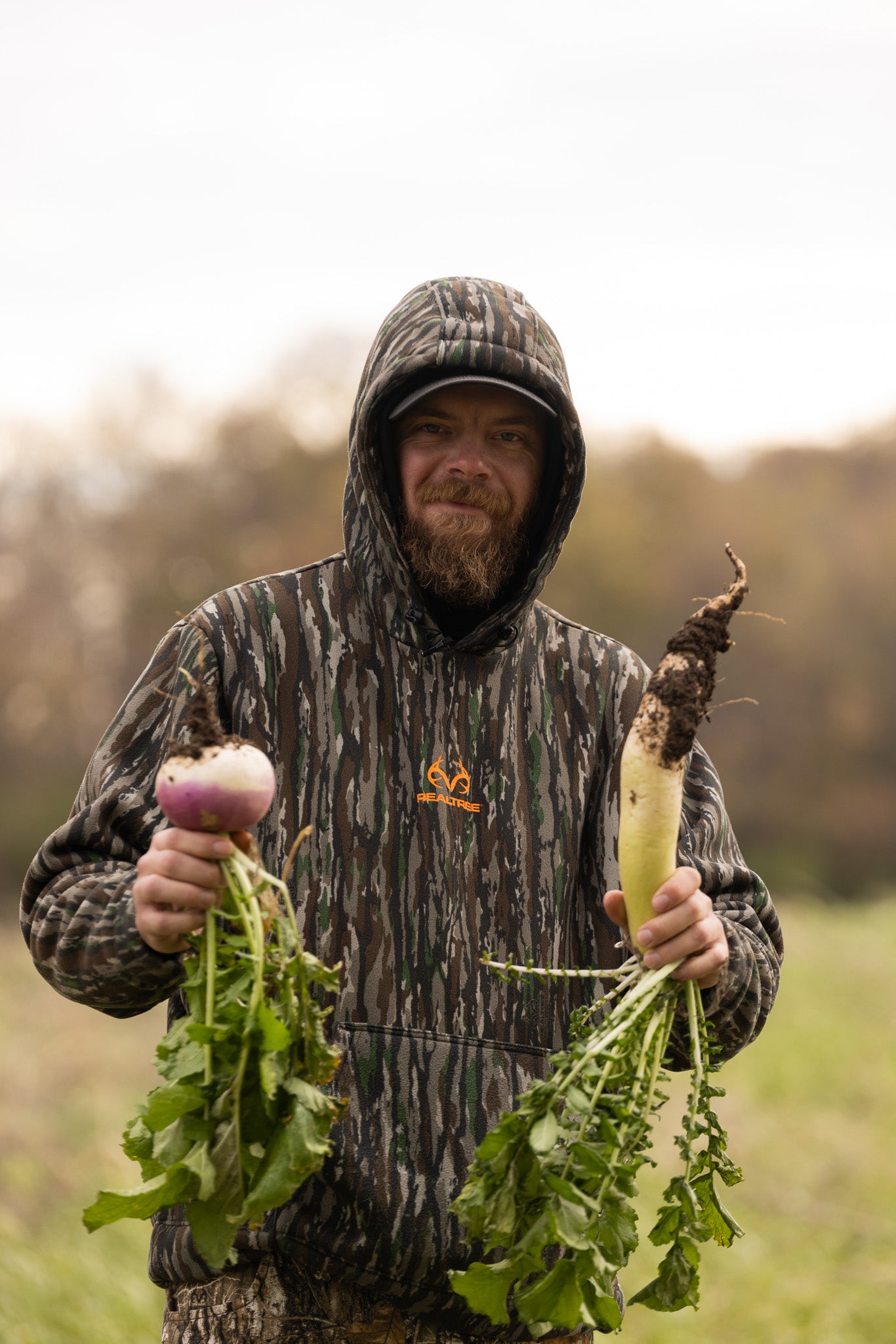
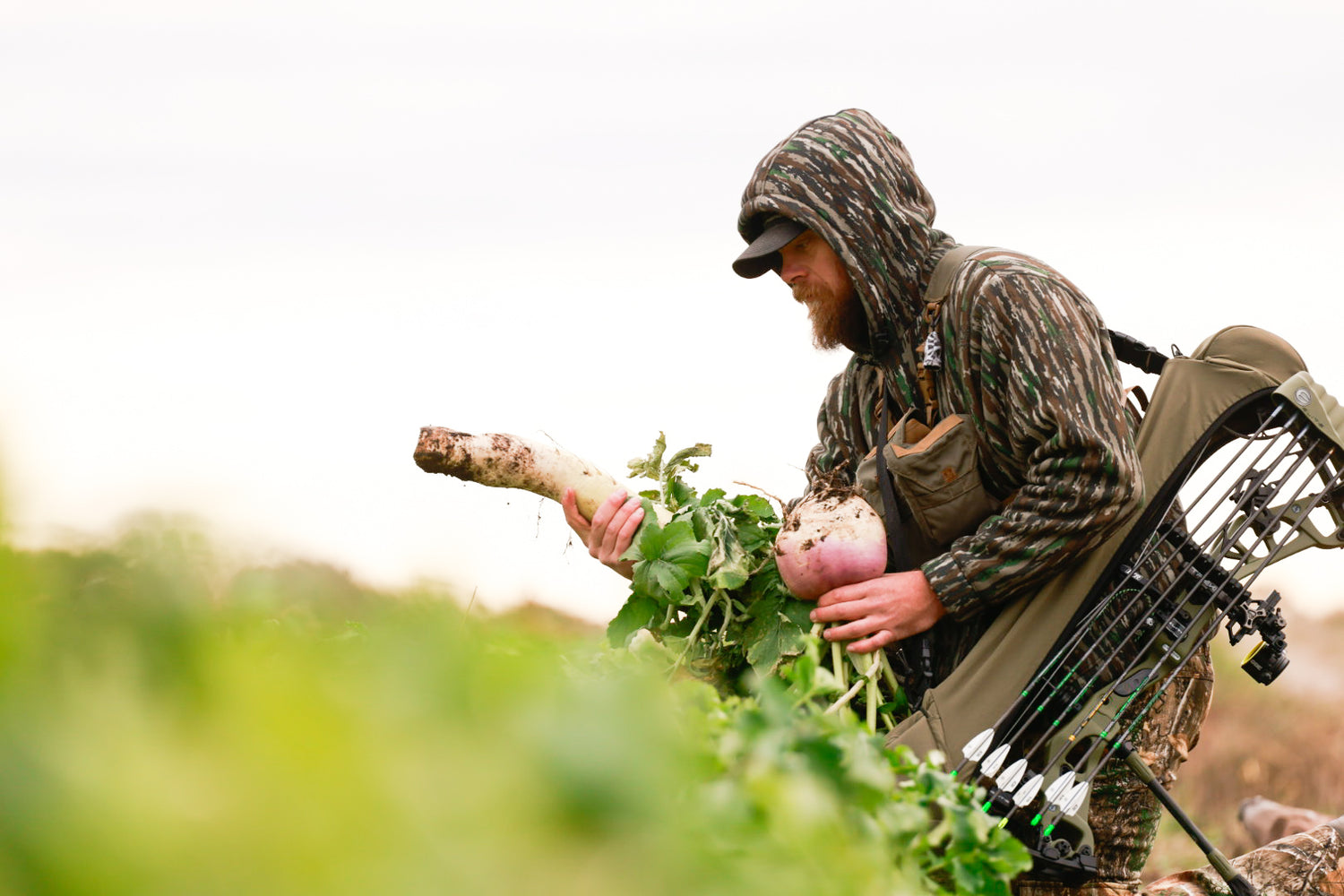
Every photo on this page comes from real Backwoods® food plots planted and evaluated at The Testing Grounds™ and on customer properties across the country. No stock photography. No staged results. Just real-world performance.
Know Before You Grow
What is Straight Shot™ Buck™ Radish?
Straight Shot™ Buck™ Radish is a single-species forage radish designed for hunters who want to plant a dedicated radish plot, add deep-rooted forage to an existing food plot, or build their own custom cool-season blend.
Why should I plant Buck™ Radish for deer?
Buck™ Radish produces fast-growing, highly palatable leafy forage above ground and an aggressive taproot below. That combination provides deer with attractive cool-season forage while adding rooting depth and soil-conditioning benefits to the plot.
Is Buck™ Radish an annual or perennial?
Buck™ Radish is a cool-season annual forage radish. It establishes rapidly, produces substantial leafy growth and a large taproot, and completes its life cycle within one growing season.
When should I plant Buck™ Radish?
For maximum forage and root development, plant Buck™ Radish approximately 60–90 days before your area's average first frost. Use your Backwoods planting zone as a starting point and adjust for local frost dates, available soil moisture, and current weather conditions.
How deep should I plant Buck™ Radish?
Plant approximately ¼–½ inch deep. When broadcasting, spread Buck™ Radish evenly over a firm seedbed and lightly cultipack or roll afterward. Avoid burying the seed too deeply.
Can I plant Buck™ Radish by itself?
Yes. Buck™ Radish can be planted as a standalone plot when you want a concentrated stand of leafy forage and deep-rooted radish growth.
Can I add Buck™ Radish to an existing food plot?
Absolutely. Buck™ Radish is an excellent species for adding both forage diversity and rooting diversity to an existing fall plot. It works especially well with cereal grains, clovers, and other brassicas.
Can I overseed Buck™ Radish?
Yes. Buck™ Radish can be overseeded into compatible existing food plots where adequate exposed soil is available. Good seed-to-soil contact and timely rainfall are important for successful establishment.
What should I mix with Buck™ Radish?
Buck™ Radish pairs well with wheat, oats, cereal rye, forage peas, clovers, Trophy Rape, Wild Craze™ Mustards, and forage turnips. Reduce individual species rates when creating a blend to prevent excessive competition.
Will deer eat Buck™ Radish before frost?
Yes. Deer can browse Buck™ Radish foliage before frost. Cold weather may influence plant chemistry and palatability, but a frost isn't required before deer can begin utilizing the forage.
Will deer eat the Buck™ Radish root?
Deer may utilize both the leafy forage and portions of the developed root, although actual root consumption varies by property and deer behavior. The primary attraction should be positioned around its abundant above-ground forage, with the taproot providing additional below-ground benefits.
Does Buck™ Radish produce a bulb like a turnip?
Not exactly. Buck™ Radish develops a large, elongated taproot, while forage turnips generally develop a more rounded bulb. Both provide leafy forage, but their root structures and growth characteristics are different.
How quickly does Buck™ Radish grow?
Under favorable moisture, temperatures, fertility, and seed-to-soil contact, Buck™ Radish establishes rapidly. Leafy forage and taproot development begin early, with substantially greater growth occurring as the stand matures.
How deep can Buck™ Radish roots grow?
Buck™ Radish is capable of developing an aggressive taproot that extends well below the soil surface, but actual rooting depth varies considerably with soil type, compaction, moisture, fertility, and growing conditions. Rather than promising a specific depth, the key benefit is its ability to explore deeper portions of the soil profile than many shallow-rooted food plot species.
How does Buck™ Radish help compacted soil?
The large taproot can penetrate compacted soil layers and create root channels through the soil profile. As the roots eventually die and decompose, those channels can improve soil structure and create pathways for future crop roots, water, and air.
Will Buck™ Radish eliminate soil compaction?
No. Buck™ Radish can be a valuable biological soil-conditioning tool, but it isn't a replacement for correcting severe compaction, drainage problems, or other underlying soil issues. Think of it as one part of a long-term soil-management program.
Is Buck™ Radish good for no-till food plots?
Yes. Buck™ Radish can be an excellent addition to no-till and reduced-tillage systems because its aggressive root growth adds biological soil disturbance beneath the surface. Successful establishment still requires adequate seed-to-soil contact, moisture, and control of competing vegetation.
Does Buck™ Radish need fertilizer?
Yes. Buck™ Radish responds strongly to adequate fertility. Conduct a soil test whenever possible and fertilize accordingly. Backwoods Fuel™ Brassicas + Clover is the recommended Backwoods fertilizer pairing for Buck™ Radish.
What soil pH does Buck™ Radish prefer?
Target approximately 6.0–7.0 pH for best performance. Proper soil pH improves nutrient availability and supports vigorous forage and root development.
Can I plant Buck™ Radish too thick?
Absolutely. Excessive plant populations create competition for sunlight, moisture, nutrients, and root space. This can reduce individual plant size and taproot development. Follow the recommended standalone rate and reduce the rate when Buck™ Radish is incorporated into a blend.
How does Buck™ Radish handle heavy browsing?
Buck™ Radish can produce substantial leafy forage, but extremely heavy deer pressure can keep young plants browsed down before they reach their full potential. Increasing planted acreage or combining Buck™ Radish with complementary forage species can help distribute browsing pressure.
Is Buck™ Radish cold tolerant?
Yes. Buck™ Radish is a cool-season forage species capable of handling cold conditions, although severe or prolonged freezing temperatures can eventually damage or terminate plants depending on maturity and local conditions.
Can I plant Buck™ Radish in the same plot every year?
You can, but repeatedly planting the same crop family isn't ideal as a long-term management strategy. Rotating brassicas with cereal grains, legumes, and other forage families can help diversify the soil and reduce potential disease and pest pressure.
What's the difference between Buck™ Radish and Trophy Rape?
Both produce leafy brassica forage, but they serve different roles. Buck™ Radish combines leafy forage with an aggressive deep taproot and soil-conditioning benefits. Trophy Rape is primarily focused on producing high volumes of above-ground leafy forage.
What's the difference between Buck™ Radish and Bucknip™ Forage Turnips?
Buck™ Radish produces an elongated taproot and is particularly valuable for rooting depth and soil conditioning. Bucknip™ Forage Turnips produce leafy tops and more traditional turnip bulbs, making them a strong choice when tops + bulbs are the primary goal.
What's the difference between Buck™ Radish and Sweet Tooth™ Sugar Beets?
Buck™ Radish is a faster-growing forage radish valued for leafy forage, deep rooting, and soil-conditioning benefits. Sweet Tooth™ Sugar Beets require a longer growing window and are intended to develop substantial carbohydrate-storing roots along with abundant tops.
What's the difference between Buck™ Radish and Brassicas + Bulbs™?
Buck™ Radish gives you straight forage radish seed and complete control over how much you add to your plot. Brassicas + Bulbs™ combines multiple complementary brassicas and root crops into a complete pre-designed blend.
Why buy Straight Shot™ Buck™ Radish instead of bulk forage radish?
Straight Shot™ gives hunters individual food plot species in practical food-plot quantities. Plant Buck™ Radish straight, add it to cereal grains, increase the deep-rooted component of an existing plot, or build your own custom blend—without purchasing and storing a large agricultural bag.